
Cranial Orthoses
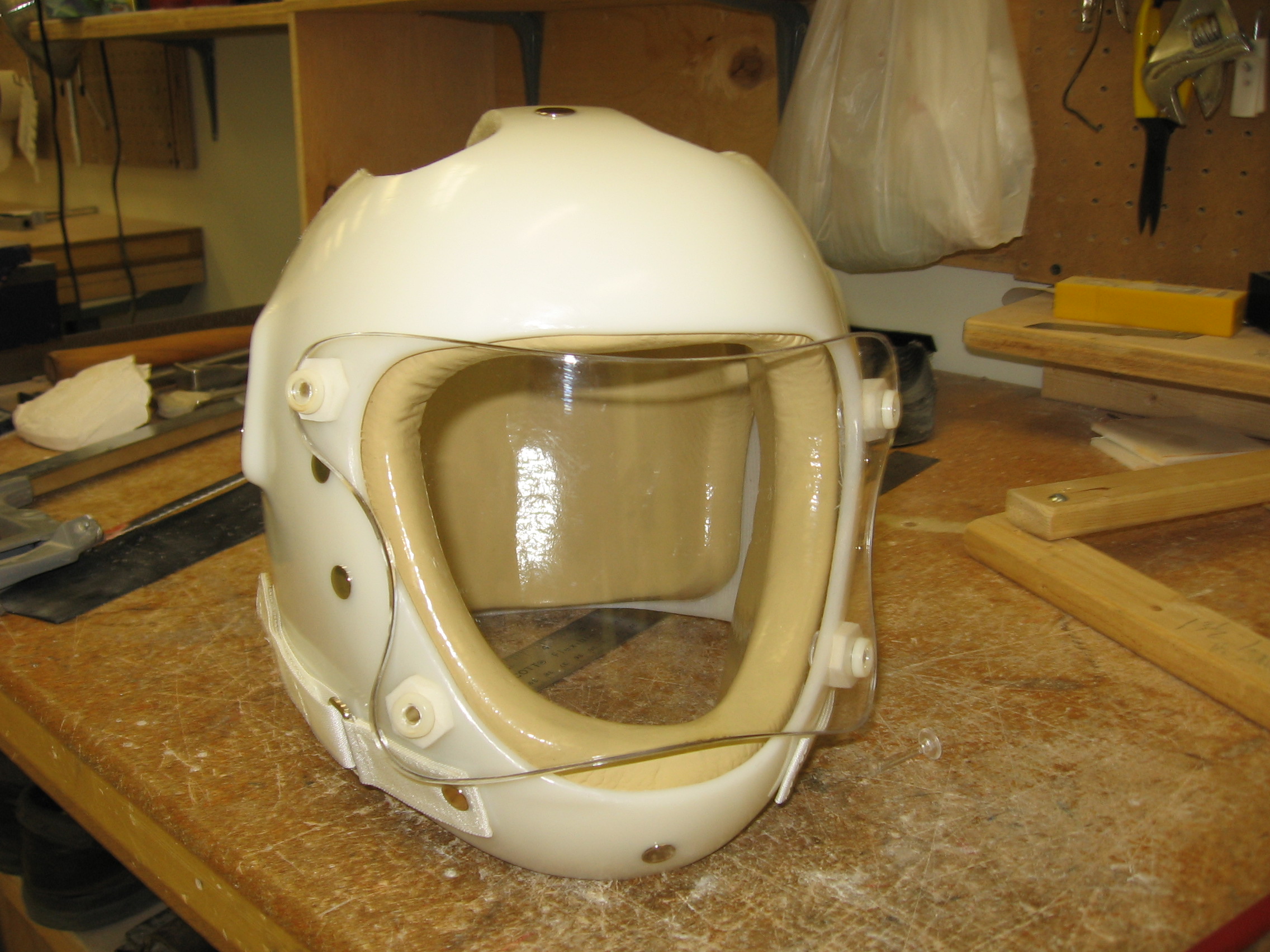
Cranial orthoses are orthopedic helmets designed to achieve one of 2 goals: Protection or Correction. The two types of helmets are typically very different in their goals and applications and potential patients should be assessed by the orthotist prior to proceeding with treatment.
Helmets can be either prefabricated and then adjusted to fit, or custom made from a mold or scan taken using our on-site laser scanner. Below you can read a little about the different helmet types and when we use them.
Cranial Remolding Orthoses
Corrective helmets or Cranial Remolding Orthoses are designed to gradually change the shape of a child’s cranial bones by guiding bone growth in the appropriate regions. This is done to correct an abnormal shape as seen in Plagiocephaly or Brachycephaly.
Each helmet is manufactured by taking a harmless laser scan of the infant’s head and then modifying the shape of the model to include space for the head to grow into over time. The helmet is worn for 23 hours per day and treatment is most effective when initiated at 5-6 months old, continuing for 3-5 months. Cranial remolding helmets typically require close monitoring and regular adjustments as the child will be growing rapidly within the time-frame the helmet is being applied. Regular follow-up visits for adjustments and scans will ensure that the helmet is being effective without causing any discomfort.
Clinical Orthotic Consultants were the first in Ontario to adopt STARband (https://starbandkids.com/ )as a treatment and have been successfully treating children with them for over 14 years now.
Protective Cranial Orthoses
Protective Cranial Orthoses are designed to protect the head from impact trauma and can be either a hard or soft design.
Hard helmets are typically used in cases where someone has an unstable cranial fracture, has a section of bone removed from the skull or is at risk of severe penetrating impacts due to seizure or self harming behaviour. They provide a solid outer layer which prevents edge pressure from being focused at a single point on the skull and stops foreign objects from coming into contact with unstable or soft areas, while maintaining a soft inner padding to diffuse pressure from blunt trauma.
Soft helmets offer simple impact protection for blunt trauma from mild impacts and mild self-harming behavior but does not protect against a more focused impact such as a table edge or doorframe.